
Beyond the Bonsai Pot: How Japanese Kilns & "Keshiki" Elevate Your Everyday Rituals
Hello and welcome! We are COTOWAKU, the recently opened sister site to NAGINOWA.
You might be thinking, "Why is a bonsai shop suddenly talking about Japanese tableware?" It might seem a bit out of the blue! But here at COTOWAKU, we have a profound respect for those of you who enjoy bonsai and naturally love authentic Japanese craftsmanship. Our greatest joy is to help soothe your mind and body in your everyday life. With the fresh excitement of our grand opening, we are thrilled to entertain you with new encounters and a completely fresh approach.
Imagine a late Saturday afternoon. Whether you are enjoying the golden hour sunshine of California or the crisp, quiet evening breeze of the East Coast, you have just finished pruning and wiring your favorite bonsai. You wash the soil from your hands, take a deep breath, and feel a profound sense of accomplishment.
For bonsai enthusiasts, the beauty of a tree is inextricably linked to its pot—the texture of the clay, the history of the kiln, and the way it ages. But what if you could carry that exact same mindfulness, that "Earthly Stillness," straight into your dining room and evening relaxation?
🌿 Japanese Craftsmanship Trivia: The Concept of "Keshiki"
In Japanese aesthetics, just as a bonsai represents a miniature universe, handmade ceramics possess a quality called "Keshiki" (景色 - Landscape). This refers to the unique, unrepeatable patterns created by the flowing glaze and the intense fire of the kiln. When you look closely at authentic Japanese pottery, you are not just looking at a bowl—you are looking at a "landscape" of mountains, rivers, or clouds captured forever in clay. It is the ultimate expression of Wabi-Sabi: finding perfection in natural imperfection.
The Momoyama Legacy & Neo-Japandi Living
In recent years, the "Japandi" style—a blend of Scandinavian minimalism and Japanese functionality—took the world by storm. However, as our highly digital lives leave us craving real, tactile connections, we are entering the era of Neo-Japandi. We seek the warmth of human touch and natural materiality. The 2026 lucky colors of Forest Green, Terracotta, and Indigo perfectly align with this shift toward organic, grounded living.
This aesthetic owes its soul to the Momoyama period (late 16th century), a transformative era when warlords and tea masters like Sen no Rikyu championed Wabi-cha. It was a time when true luxury meant finding beauty in simplicity. Our Mino Ware collections embody this very spirit.
Black Kiln Reversable Square Plate (Mino Ware)
Perfect for bringing storytelling to your table. Whether presenting beautifully arranged pintxos, sushi, or cheese, this plate makes the main dish stand out. Transform your dinner parties into an elegant, mindful experience.
 Explore This Plate
Silver Rust Black Chigiri Square Plate
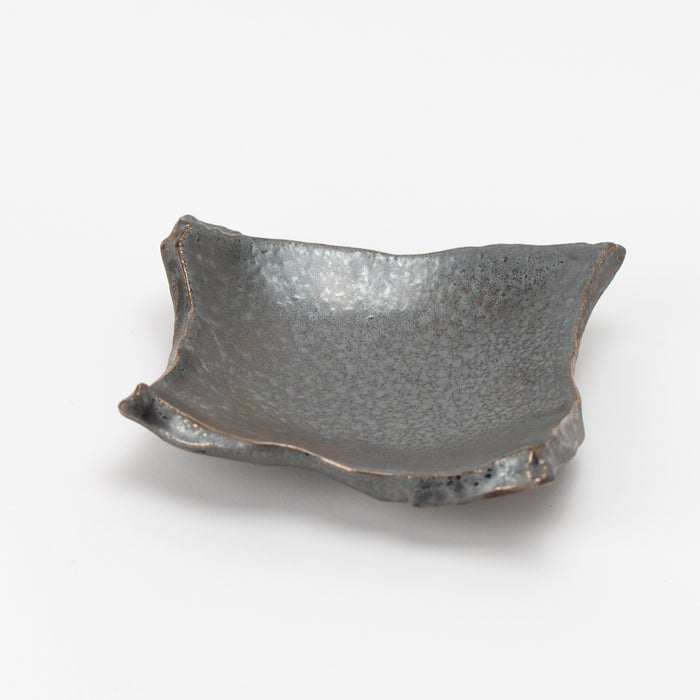
With a design so stunning it doubles as a piece of interior decor, this plate carries the weight of history while exuding a modern, moody organic vibe. When I first laid eyes on this piece, my immediate thought was, "Even though this is a dinner plate, I want to arrange fresh fruits on it and display it proudly on my table!" A true statement piece for the discerning collector.
🍵 Japanese Culture Trivia: "Mitate" (The Art of Repurposing)
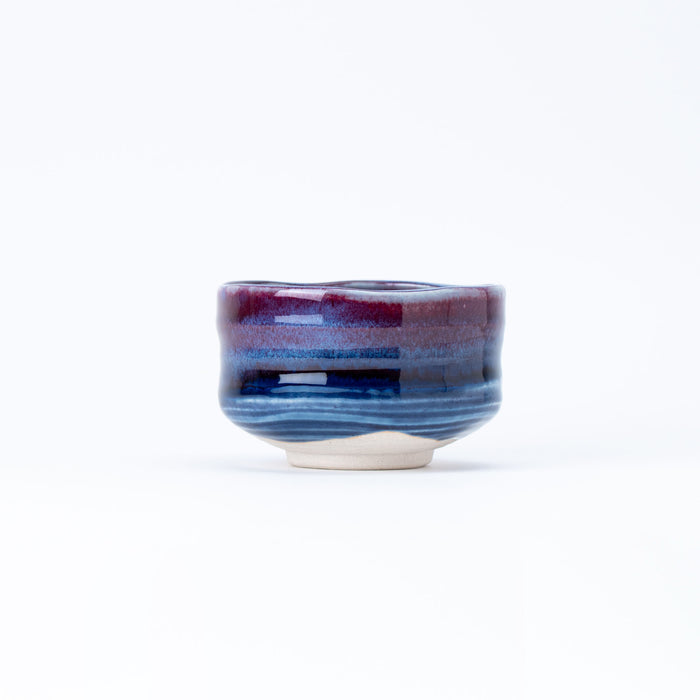
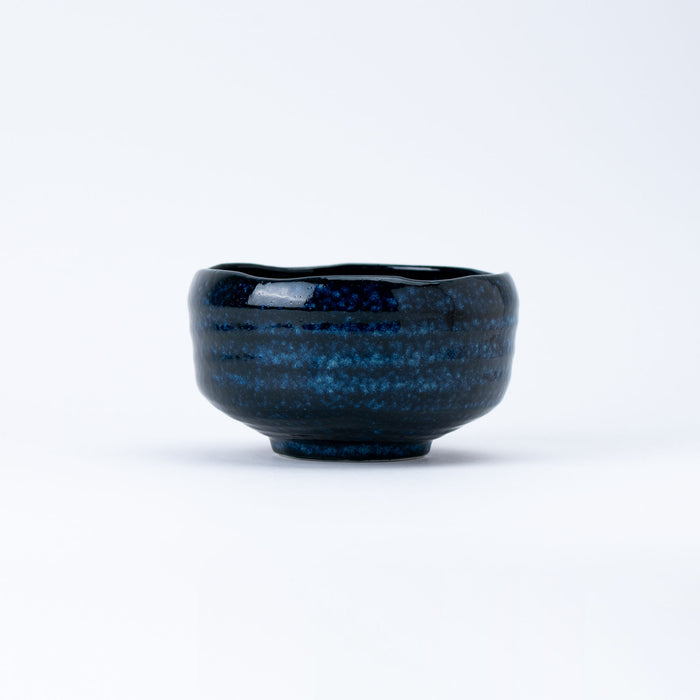
Do you need to practice the formal tea ceremony to own a Matcha bowl? Absolutely not! In Japan, there is a playful and highly respected concept called "Mitate" (見立て)—seeing an object as something else. The great tea masters used humble fisherman's baskets as elegant flower vases. Today, we encourage you to use a beautiful Matcha bowl for whatever brings you joy. The wide rim is perfect for the aroma of coffee, and the thick clay keeps ice cream cold.
By the way, I have a confession: I absolutely love drinking cola while taking a bath. I realized how simple I am when I drank cola in the tub using a beautiful cup like a Matcha bowl—it tasted gorgeous, like the drink of an absolute winner! If you ever purchase a Matcha bowl from us, I highly recommend giving it a try. (My apologies if this is just my own weird sensation!)
The Healing Power of the Matcha Bowl (Chawan)
When city life or garden work leaves you exhausted, a genuine Matcha Bowl is your sanctuary. Crafted with vibrant glazes, each bowl offers a once-in-a-lifetime encounter (Ichigo-Ichie). The moment you cradle it in both hands, you feel the "Earthly Stillness."

Tools that "Grow": The Nambu Iron Teapot
Just as you nurture a bonsai tree, you can nurture your tools. The traditional Nambu-style iron teapot (Tetsubin / Kyusu) is the epitome of Japanese heirloom culture. Its robust presence and the geometric "Arare" (hailstone) pattern fit perfectly into modern industrial or Neo-Japandi interiors.
But the true magic is in the water. The iron naturally purifies the water, rounding off harsh elements and making your hot water astonishingly soft and mellow. It extracts a profound sweetness from tea leaves that electric kettles simply cannot replicate. The more you use it, the more its unique luster deepens.


From Soil to Stove: The Banko Ware Donabe
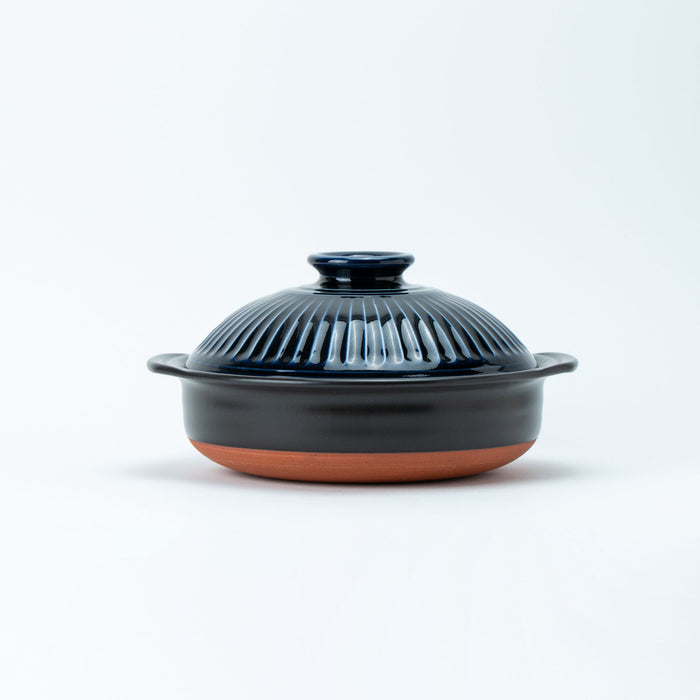
If you shop at our sister store, NAGINOWA, you are likely very familiar with Banko ware (Banko-yaki) bonsai pots, prized for their incredible durability and strength. But in Japan, Banko ware is most famous as the ultimate culinary tool: the "Donabe" (clay pot).
In a Japanese home, a Donabe is used to cook stews, hot pots, or steamed vegetables directly on the stove, and then carried straight to the center of the table. The heavy lid traps heat for quicker cooking, and a tiny hole in the lid cleverly lets you know when the water is boiling—an ancient wisdom still in use today. (Pro tip: Cooking white rice in a Donabe is a life-changing culinary experience!)

Whether you are admiring the Keshiki (landscape) of a Mino ware plate, savoring a quiet drink from a Matcha bowl, pouring mellow water from a Nambu iron teapot, or sharing a warm meal from a Banko ware Donabe, these are not mass-produced items. They are living pieces of Japanese history. Step beyond the bonsai garden and welcome the profound art of Japanese kilns into your everyday life with COTOWAKU.
A Little Staff Story: The Magic Switch
My grandparents lived in the countryside of Tokushima. The winters weren't too cold, and because it was in the country, the summers never felt overwhelmingly hot either.
Earlier in this blog, I mentioned that I love drinking cola in the bath. Well, the very first time I ever did that was in my grandparents' bathtub! It was something I wasn't allowed to do at my own home, so for my young self, secretly drinking cola in the bath was a grand adventure and my very own secret pleasure.
They had a spacious yard where they carefully maintained the garden and also grew bonsai. I absolutely loved that garden. I would often visit during my summer vacations, playing pretend golf on the grass, taking naps on the roof, and gazing at the stars at night.
I have lived in Tokyo for a long time now. But even as an adult, whenever I drink cola in the bath, it brings back the scent of the garden lawn and the carefree days spent in my grandparents' countryside. It makes me forget the stress of city life and brings me a deep sense of peace and comfort.
Do all of you have a "switch" like this that reminds you of your childhood?


Leave a comment
This site is protected by hCaptcha and the hCaptcha Privacy Policy and Terms of Service apply.