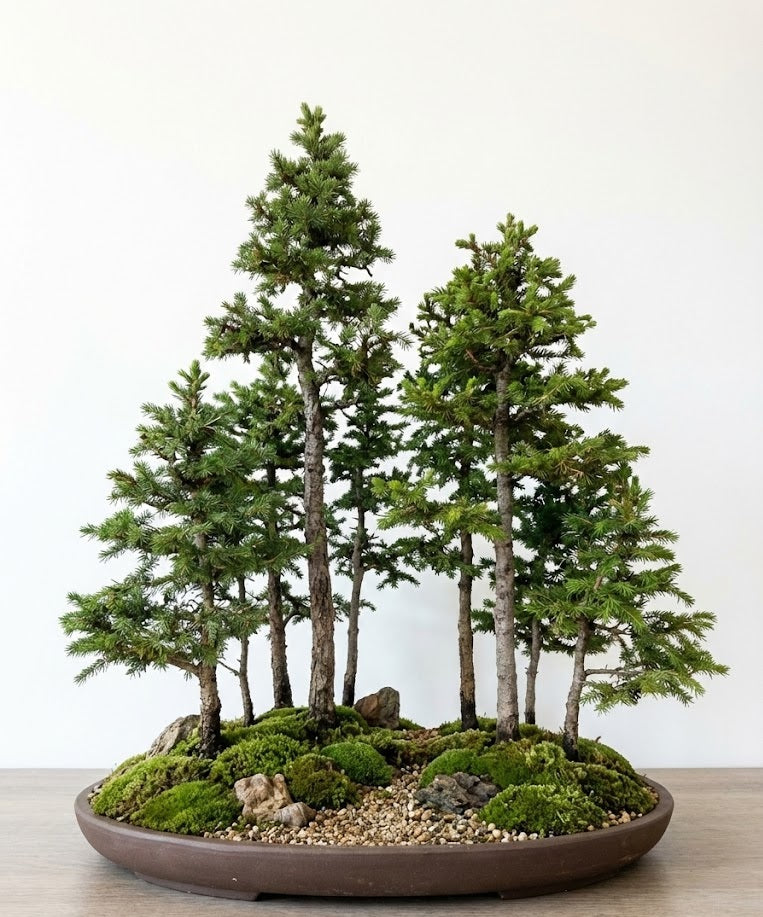
The Allure of Shallow Bonsai Pots: A Guide to Miniature Landscapes
In Japanese bonsai aesthetics, the pot is far more than a container—it is the foundation of a miniature world. Among the various shapes available, the shallow bonsai pot (or shallow tray) stands out for its unique ability to create a sense of vastness.
By using a low-profile vessel, you can transform a single tree into a panoramic landscape, bringing a refined "Wa" (harmony) to any modern interior or balcony.
Why Choose a Shallow Vessel?
The appeal of a shallow pot lies in its architectural minimalism. From a design perspective, these pots offer several distinct advantages:
-
Visual Contrast: The low height of the pot emphasizes the verticality and elegance of the tree, making even a small sapling appear like a majestic, ancient specimen.
-
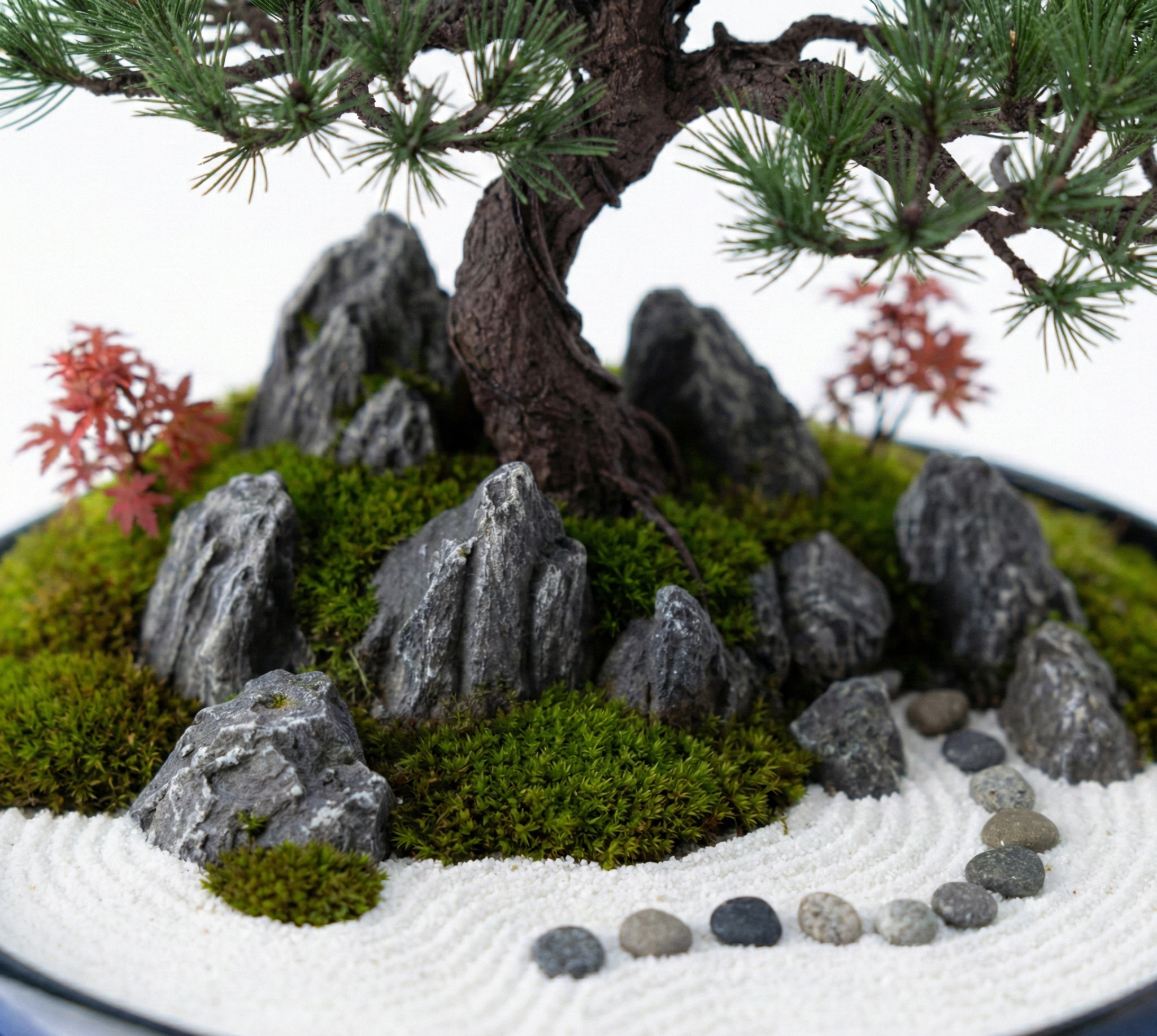
Landscape Creation (Saikei): The broad surface area provides a canvas for "living landscapes," allowing for the artistic arrangement of moss, stones, and accent plants.
-
Modern Aesthetic: Their sleek lines complement contemporary décor, fitting perfectly on narrow windowsills, mantels, or office desks.

Ideal Plants for Shallow Pots
Successful cultivation in a shallow environment depends on selecting plants with spreading, fibrous root systems. We recommend the following species:
-
Japanese Maples (Acer Palmatum): Their delicate roots naturally thrive in lateral spaces, and the pot's low profile beautifully highlights their seasonal color shifts.
-
Juniper & Spruce: These hardy evergreens are ideal for creating "windswept" or "rock-clinging" styles that require a wide, stable visual base.
-
Mountain Grasses & Moss: For those seeking a minimalist look, a combination of moss and grasses in a shallow tray creates a tranquil "micro-meadow."
Styling and Care: Best Practices
To achieve a professional look and ensure the health of your plants, consider these essential tips:
1. Embracing Asymmetry
In traditional Japanese design, beauty is found in balance rather than perfect symmetry. When styling a shallow pot, try placing your main plant at the "one-third" position instead of the center. This creates "Ma" (intentional space), giving the arrangement a sense of movement and breathability.
2. Strategic Moisture Management
Because shallow pots hold a smaller volume of soil, they require attentive care.
-
Watering: Check the soil daily, as shallow trays can dry out more quickly in sun or wind.
-
Soil Choice: We recommend using a high-quality, free-draining mix like Akadama to ensure optimal aeration and moisture retention for the roots.
3. Layering for Depth
Enhance the realism of your miniature landscape by layering textures. Incorporating different varieties of moss or carefully placed "Suiseki" (viewing stones) adds depth and age to the composition, turning a simple planting into a piece of art.
Summary Table: Care at a Glance
| Feature | Requirement | Benefit |
| Watering | Frequent (Daily check) | Prevents the shallow soil from drying out. |
| Soil Mix | High-Drainage (Akadama) | Balances aeration and moisture in thin layers. |
| Placement | Sheltered from extreme heat | Protects delicate roots from temperature spikes. |
| Design | Asymmetrical placement | Creates a natural, expansive landscape feel. |
Conclusion
Choosing a shallow bonsai pot is an invitation to view nature from a new perspective. It is a sophisticated way to bring the tranquility of a wide horizon into the urban home.
Whether as a centerpiece for your dining table or a quiet accent for your workspace, these vessels offer a timeless connection to the beauty of the seasons.

%20stands%20ou...)
Leave a comment
This site is protected by hCaptcha and the hCaptcha Privacy Policy and Terms of Service apply.