Designing Urban Serenity: A Guide to "Wa-Modern" Gardening for Small Spaces
In the frantic pace of modern city life, finding a moment to connect with the shifting seasons is perhaps the ultimate luxury. You don’t need a sprawling backyard to invite nature into your home. Whether it’s a compact apartment balcony or a small surface atop your favorite piece of furniture, you can transform any limited space into a personal sanctuary of "Wa" (Japanese harmony).
Here is how you can integrate traditional Japanese aesthetics into your contemporary lifestyle to create a pocket of tranquility.

1. The Art of "Less is More": Designing Your View
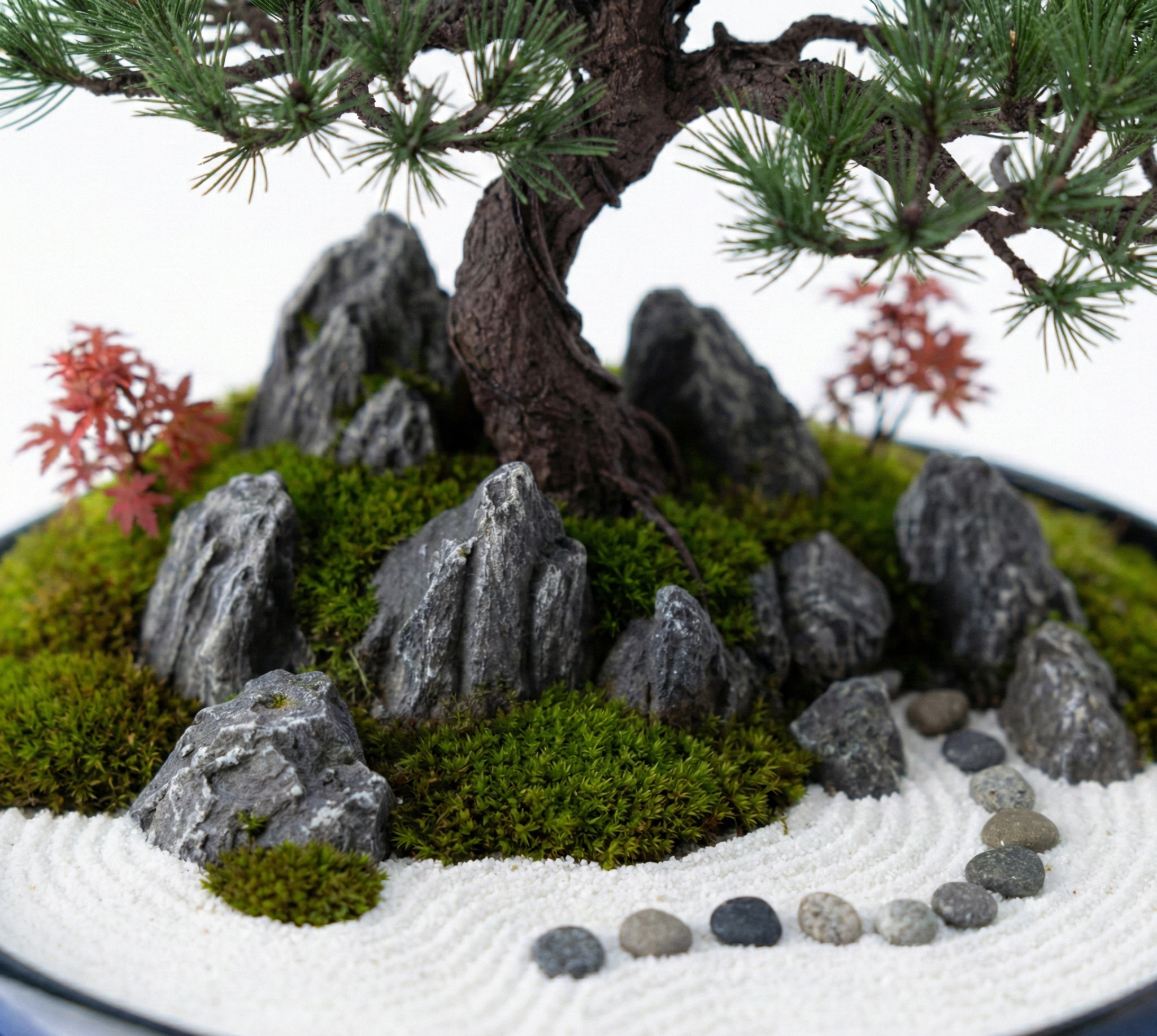
At the heart of Japanese gardening lies the concept of "Shukkei"—the art of shrinking vast natural landscapes into a miniature form. This philosophy is perfectly suited for modern urban living.
The secret to creating a Japanese-inspired space is the "Aesthetics of Subtraction." Rather than cluttering your space with variety, focus on a single, meaningful element. Placing a touch of greenery on a sideboard or in a corner of your balcony instantly breathes fresh air into an otherwise sterile environment.
-
The Focal Point: Choose one "symbol tree"—perhaps a delicate Maple for your balcony or a characterful, small-scale evergreen for your interior.
-
The Beauty of Ma (Space): By leaving intentional empty space around your plant, you allow its natural form and silhouette to truly shine.
2. Curated Selection: Japanese Plants for Small Spaces
We have selected plants that thrive in urban environments while exuding a timeless Japanese atmosphere.
-
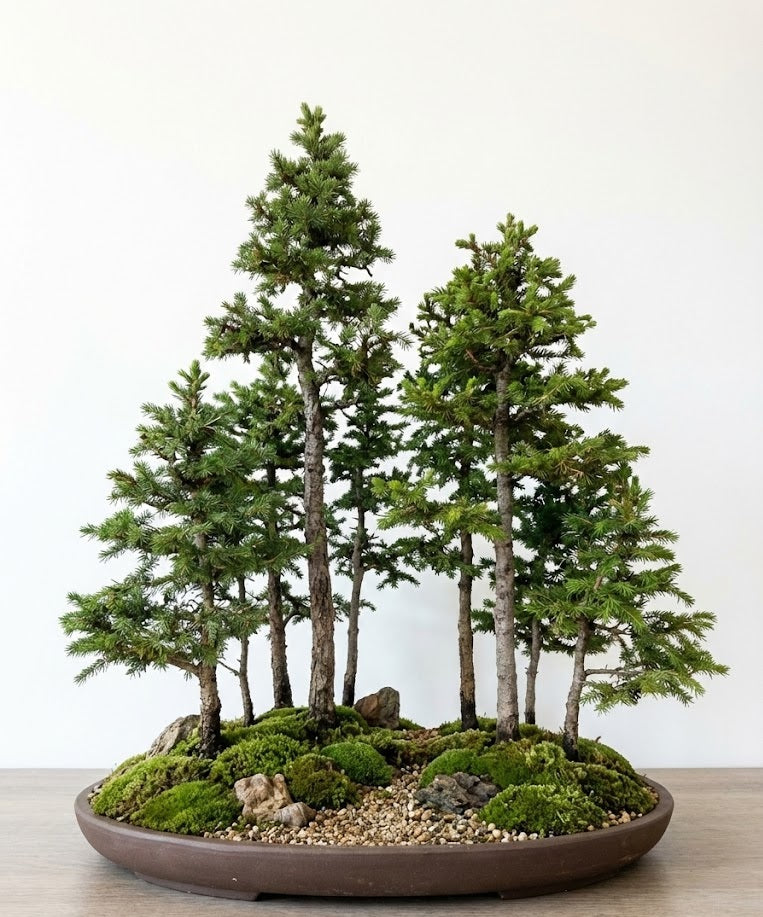
Miniature Bonsai: These "palm-sized landscapes" can turn a simple desk or bookshelf into a silent garden. Bonsai embodies the beauty of contrast—witnessing the majesty of a centuries-old tree within a tiny, hand-held pot.
-
Kokedama (Moss Balls): A self-contained ecosystem wrapped in lush green moss. These "string gardens" are incredibly versatile; place them on a ceramic tray on your coffee table or hang them to create a floating, three-dimensional forest.
-
Sanyaso (Wildflowers & Grasses): Plants like Hakonochloa (Japanese Forest Grass) offer a subtle, sophisticated beauty. Instead of flashy blooms, appreciate the "sway" of the leaves—a hallmark of refined Japanese taste.
3. Tools and Vessels: Elevating the Ritual
Much like the cherished ceramics used in traditional tea ceremonies, the tools and pots you choose transform gardening from a chore into a ritual.
Avoid plastic. Instead, opt for authentic Japanese ceramics—such as Shigaraki or Bizen ware—that carry the warmth of the earth. The texture of the clay, the unpredictable glaze, and the way the vessel patinas over time create a beautiful dialogue with the growing plant.
Furthermore, using hand-forged pruning shears or a copper watering can crafted by artisans turns every snip and every drop of water into a meditative practice, grounding you in the present moment.
4. Zen in Daily Life: Finding Joy in the Care
Japanese gardening is less about the "result" and more about the ongoing conversation with nature.
-
Listen to the Water: The sound of water soaking into dry soil.
-
Admire the Shadows: The intricate silhouette of leaves projected onto your wall by the afternoon sun.
-
Wait for the Season: The quiet joy of spotting a tiny bud on a seemingly dormant winter branch.
These small observations are, in essence, a modern practice of Zen.
Closing: A New Chapter Begins with a Single Pot
A Japanese garden is never truly "finished." It grows, changes, and cycles through life. By observing this rhythm up close, we find a sense of margin and peace in our own lives.
Whether it is a corner of your balcony or the top of a shelf, start by placing one cherished plant. From that single point, your journey into urban serenity begins.
"I’ve personally found that having a small maple on my balcony makes my morning coffee feel like it lasts ten minutes longer."


Leave a comment
This site is protected by hCaptcha and the hCaptcha Privacy Policy and Terms of Service apply.